

Bunions – Do You Need Surgery or Are There Other Options?

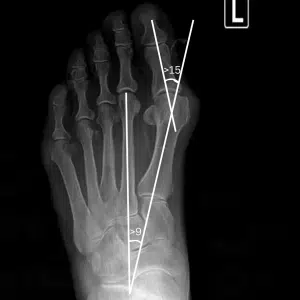
A bunion, also known as hallux valgus, is a bony prominence at the base of the big toe caused by changes in joint alignment. It is defined by two key angles: the angle between the first and second metatarsals and the angle between the first metatarsal and the big toe. While a bunion is a structural change, it does not necessarily mean you will experience pain, arthritis, or functional problems. Some individuals live comfortably with bunions without ever developing symptoms.
Common Issues Associated with Bunions
The most frequent challenge with bunions is shoe fit. Many standard footwear designs do not accommodate bunions, leading to rubbing, pressure, and discomfort. Wide-fitting or anatomically shaped shoes, such as those from brands like Altra and Topo, can offer relief by reducing pressure on the affected area.
Other common concerns include:
- Callus and Corn Formation: Excess pressure on the lateral forefoot can cause callus build-up, while crowded toes may lead to corns between them. These issues stem from altered weight distribution and friction.
- Joint Pain: Changes in foot mechanics can lead to abnormal pressure on the big toe joint, which over time may contribute to arthritis. This often results in pain during walking, particularly on inclines or when rising onto the toes.
Conservative Management Options
Before considering surgery, there are several effective conservative treatments:
- Footwear Modifications: Finding the right shoe can take time, but with patience, most people can identify a comfortable option that reduces pressure on the bunion.
- Callus and Corn Debridement: Routine podiatry appointments can help manage painful calluses and corns, preventing further complications.
- Orthotics: Custom foot orthoses can redistribute pressure, reducing stress on high-load areas and alleviating joint pain.
A combination of these approaches—appropriate footwear, orthotic support, and regular podiatry care—often allows individuals to remain pain-free and active without needing surgery. While there are some upfront costs, this strategy can be a cost-effective way to manage bunion-related discomfort in the long term.
When Is Surgery Necessary?
For some individuals, bunion severity may warrant surgical intervention. This is usually the case if:
- The bunion is too large to fit into wide-fitting footwear comfortably.
- Pain is persistent and requires frequent podiatry visits for relief.
- The foot deformity limits daily activities and overall quality of life.
If these factors apply, surgery can be an effective solution. However, many bunions stabilise over time, and not all require surgical correction. Consulting with a podiatrist ensures you receive the best advice on when to manage conservatively and when to consider a referral for surgery.
If you're experiencing bunion-related discomfort, booking an appointment with a podiatrist is the best first step. Cameron Liles at Achieve Podiatry can work with you to select the right combination of treatments to help avoid surgery and continue to enjoy an active, pain-free lifestyle.